Cover
Beyond Banking, GTCO Is Quietly Redefining Corporate Citizenship in Nigeria

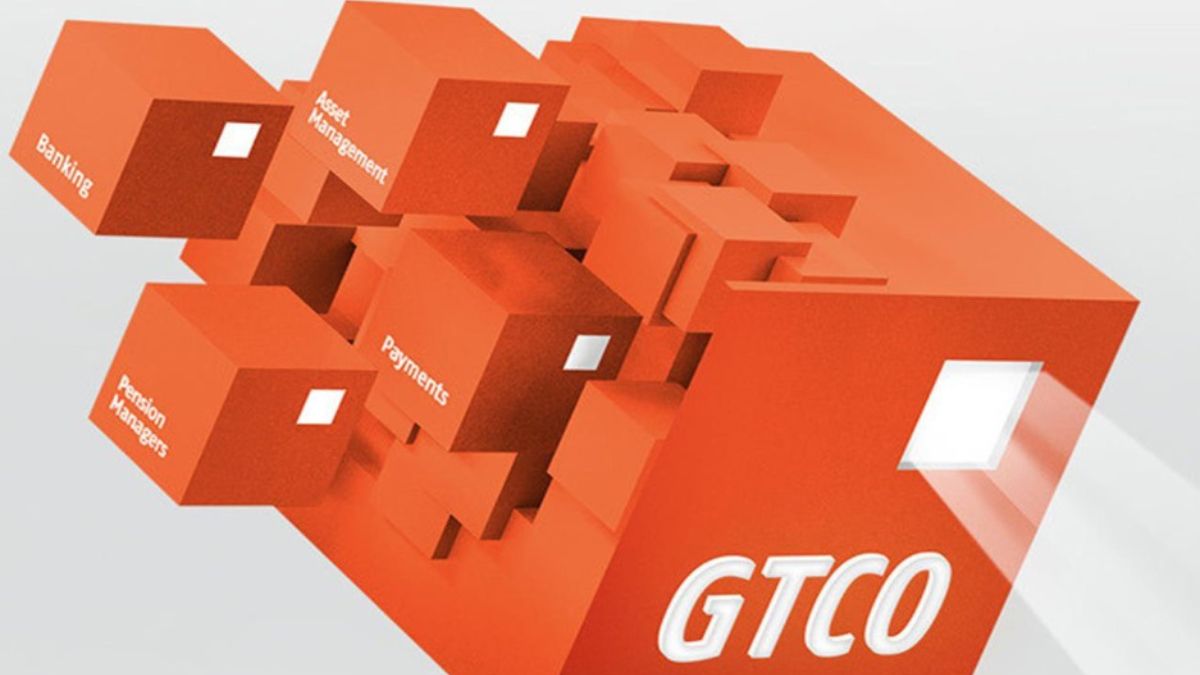
In today’s corporate landscape, financial performance alone is no longer enough to define a successful institution. Increasingly, businesses are being judged by the impact they make beyond their balance sheetshow they improve lives, solve societal challenges, and contribute to national development. By that measure, Guaranty Trust Holding Company (GTCO) has continued to distinguish itself as a corporate institution that is steadily redefining what responsible corporate citizenship looks like in Nigeria.

Within the space of a few weeks, the Group has recorded three significant milestones that, when viewed together, tell a compelling story. From earning international recognition for digital banking excellence to expanding educational support for schoolchildren and championing autism inclusion, GTCO appears to be demonstrating that sustainable business success can coexist with meaningful social impact.
The latest recognition came at the prestigious Euromoney Awards for Excellence 2026, where GTBank emerged as Nigeria’s Best Digital Bank. The award reflects years of investment in digital innovation, customer experience, and technology-driven financial services. At a time when customers demand seamless, secure, and accessible banking solutions, the recognition reinforces GTBank’s position as one of Nigeria’s leading digital financial institutions.
Yet, perhaps more impressive than the award itself is how the organisation continues to balance commercial success with social responsibility.
Take the second edition of the #BeatTheDistance Initiative, through which GTCO is donating 3,000 bicycles to schoolchildren across six Nigerian states. In many rural communities, long and difficult journeys to school remain one of the hidden barriers to quality education. By providing bicycles, the initiative directly addresses a practical challenge that affects attendance, punctuality, and ultimately learning outcomes.
This is philanthropy with measurable impact. Instead of temporary relief, the programme provides a lasting solution that enables children to spend less time walking and more time learning. It is a simple intervention with the potential to improve educational outcomes for thousands of young Nigerians.
Equally noteworthy is GTCO’s continued commitment to autism advocacy through its 16th Annual Autism Conference. This year’s theme “Acceptance in Action: From Family to Classroom to Workplace to Public Spaces” signals an important evolution in the national conversation about autism.
For years, awareness campaigns have helped Nigerians understand autism better. But awareness alone cannot remove barriers or create opportunities. Acceptance requires deliberate action from families who provide support, schools that embrace inclusive education, employers who create equal opportunities, and governments that formulate inclusive policies.
By shifting the conversation from awareness to action, GTCO is encouraging society to move beyond sympathy toward practical inclusion. More importantly, the conference, alongside free specialist consultations for families, continues to provide tangible support for individuals living with autism and their caregivers.
Taken together, these initiatives reveal a broader corporate philosophy. Digital innovation strengthens financial inclusion. Educational interventions expand opportunities for children. Autism advocacy promotes social inclusion. Each addresses a different aspect of national development, yet all are connected by a common goal: improving lives.
This is particularly significant in Nigeria, where corporate organisations are increasingly expected to contribute meaningfully to solving developmental challenges. Government alone cannot shoulder every responsibility. When private institutions invest consistently in education, healthcare, technology, and social inclusion, the benefits extend far beyond their customers.
Of course, no company is without its challenges or areas requiring improvement. Customer expectations continue to evolve, especially in digital banking, where service reliability, responsiveness, and user experience remain critical. Excellence is a continuous journey rather than a destination.
Nevertheless, GTCO’s recent achievements demonstrate that profitability and purpose need not exist in separate worlds. Businesses can pursue growth while making measurable contributions to society.
Perhaps that is the most important lesson from these recent developments. Awards eventually gather dust, but transformed lives endure. A child who reaches school more easily, a family that receives professional autism support, or a customer empowered through digital banking represents a legacy that extends beyond quarterly financial reports.
As Nigeria continues its journey toward inclusive development, the country will need more institutions willing to see corporate responsibility not as an obligation, but as an opportunity to create lasting value.
If more organisations embrace this approach, corporate success in Nigeria may ultimately be measured not only by profits generated, but also by lives transformed.



Liverpool Rally From Two Goals Down to Beat Villarreal in Seven-Goal Thriller

Adron Chairman Adetola Emmanuelking Congratulates Anthony Osibodu on Bobajiro Coronation

Adron Homes Inaugurates New AHPORA Executives at Treasure Park & Gardens Phase 2 Extension

BREAKING: Afenifere Leader, Pa Reuben Fasoranti, Is Dead

Yinka Quadri Reveals Why He Abandoned School to Rescue Father’s Business

Ondo Police Arrest Two Suspected Armed Robbers, Recover Locally Made Guns in Akure

Fidelity Bank Champions Digital Adoption, Sustainable Growth for Lagos SMEs

Gbirimojo of Epinmi Kingdom Celebrates Ooni of Ife on Birthday, Reaffirms Traditional Rulers’ Role in Yoruba Unity

LIFANIMA 2026: Lagos Counts Down to a Decade of Animation and Creative Innovation

Liverpool Fight Back to Beat Brentford 2-1, End Hosts’ Unbeaten Run

Igwe Achebe Hails Globacom for 15-Year Support for Ofala Festival

Fidelity Bank celebrates beauty industry excellence at Beauty in the Motherland dinner

Glo-Sponsored 2026 Ofala Festival Begins With Onitsha Youth Carnival

One Dead as Suspected Hoodlums Attack Oriyomi Hamzat’s Supporters in Ibadan

Beyond Banking Halls, How GTBank’s Digital Leadership Can Unlock Opportunities for Nigerian Businesses