Business
Dangote Plans 10,000MW Power Investment, Raises Africa Investment Target to $70bn

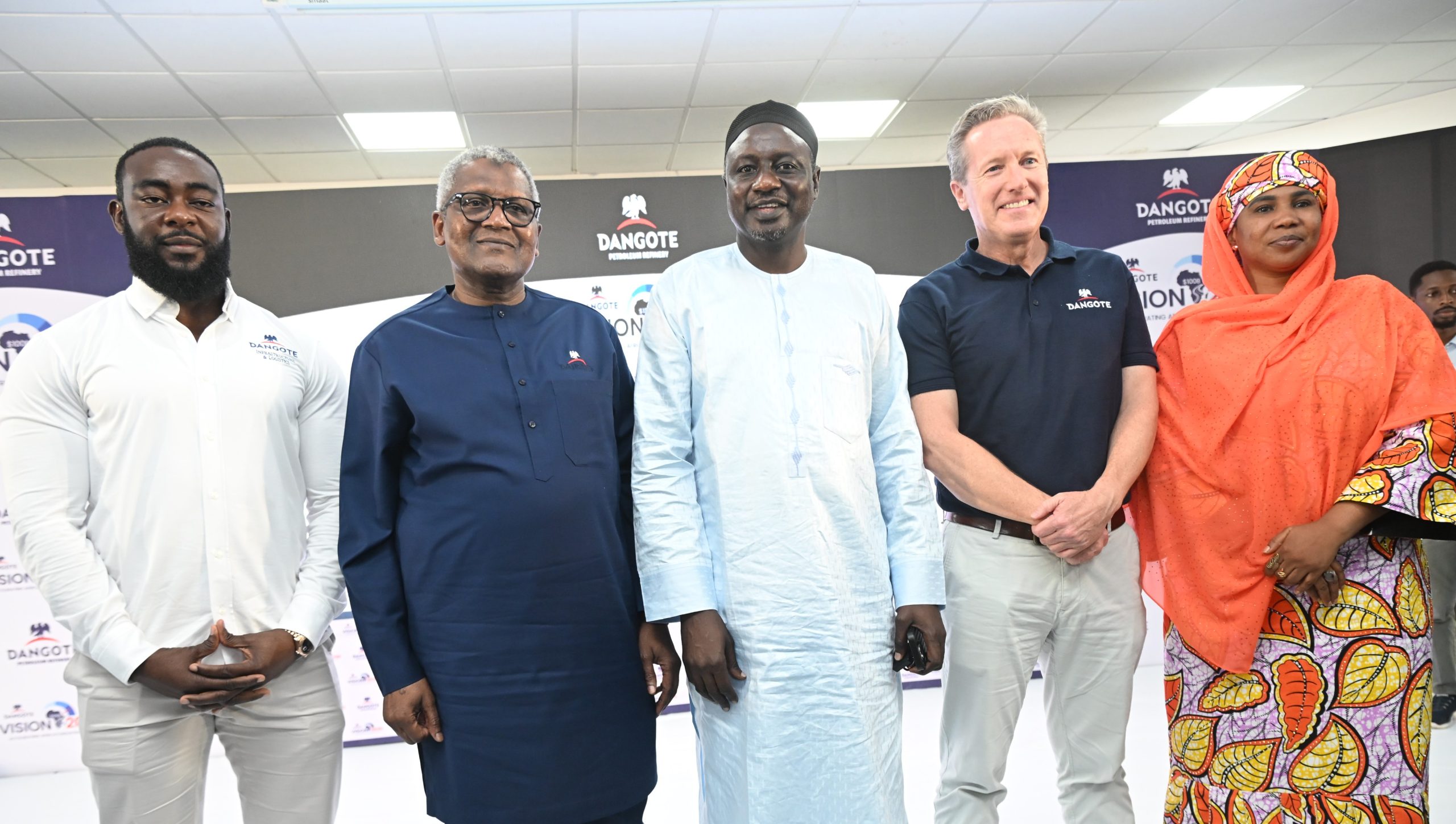
Aliko Dangote says reliable electricity, job creation and increased local production are critical to tackling insecurity and accelerating economic growth across Africa.
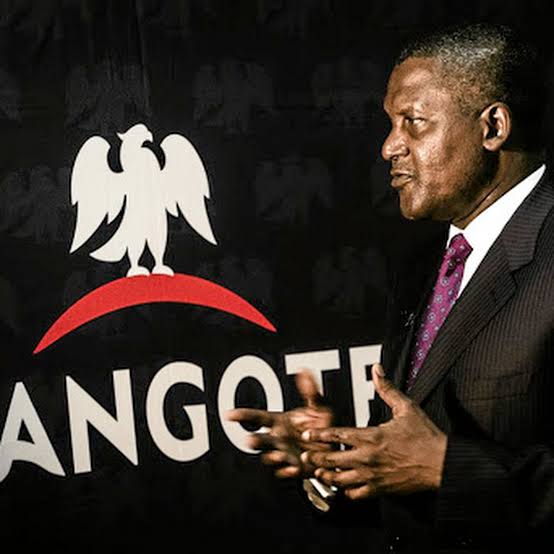
Africa’s richest industrialist, Aliko Dangote, has announced plans to increase his group’s investment ambition across the continent from $50 billion to approximately $70 billion by 2030, with a proposed 10,000-megawatt (MW) electricity generation intervention aimed at strengthening power supply and supporting industrial development.

Dangote, President and Chief Executive of Dangote Industries Limited, disclosed this while addressing creative industry stakeholders from Northern Nigeria, including journalists, bloggers, content creators, entertainers and Kannywood actors.
He explained that the proposed power initiative, which could include Nigeria, forms part of the group’s broader Vision 2030 ambition to address critical infrastructure gaps, boost industrial productivity and create employment opportunities across Africa.
According to him, inadequate electricity remains one of the biggest obstacles to business growth in Nigeria, particularly for small and medium-sized enterprises (SMEs) that depend heavily on petrol and diesel generators to sustain their operations.
Dangote noted that the high cost of alternative energy makes it difficult for many small businesses to remain profitable, stressing that reliable electricity is essential to building a vibrant and productive economy.
“We initially planned to invest $50 billion. We are now looking at increasing that to about $70 billion in Africa,” he said.
Providing details of the group’s existing power capacity, Dangote disclosed that his conglomerate currently generates nearly 1,500MW to support its operations, a figure expected to increase to between 4,500MW and 5,000MW by the completion of Vision 2030.
He clarified that the proposed 10,000MW intervention would be separate from the electricity generated exclusively for the group’s industrial operations.
“Across the group, we currently have almost 1,500 megawatts. By the time we complete Vision 2030, that could rise to between 4,500 and 5,000 megawatts. That is captive power—electricity for our own operations. Separately, part of the vision is to intervene in power generation with 10,000 megawatts across Africa, potentially including Nigeria,” he stated.
The business mogul identified electricity, consistent government policies and an enabling business environment as critical factors required to attract investments and stimulate economic growth.
He maintained that government must prioritise policies that encourage private-sector investment, while businesses should take responsibility for expanding production, creating jobs and developing the economy.
Dangote also emphasised that the growth of small and medium-sized enterprises remains fundamental to economic development, noting that large industries provide opportunities for smaller businesses through supply chains, distribution networks and service delivery.
On the economic potential of Northern Nigeria, he identified agriculture and solid minerals as sectors capable of generating significant wealth and employment if properly harnessed.
However, he urged the country to move away from exporting raw materials and importing finished products, advocating increased investment in local processing and manufacturing.
He explained that developing critical infrastructure, including ports and transportation facilities, would improve access to markets, encourage exports and enable businesses to compete internationally.
“It is not only about us; it is about Nigeria and the African continent. We should not simply export raw materials and then buy back the processed products at many times the price. That is the pattern we want to change. Without production, we will continue to face economic difficulties. We must build a productive economy,” he said.
Dangote further linked economic productivity and employment generation to efforts to address insecurity, arguing that expanding business opportunities and creating jobs would provide more Nigerians, particularly young people, with sustainable livelihoods.
Reflecting on his entrepreneurial journey, he attributed the growth of his business empire to focus, financial discipline and the consistent reinvestment of profits.
He explained that the group’s transition from trading to manufacturing was driven by its understanding of existing markets, established customer relationships and distribution networks, which made backward integration a logical business strategy.
He also advised entrepreneurs to exercise financial discipline, avoid spending anticipated profits and recognise when a business venture is no longer commercially sustainable.
“Give it your best effort, but when you do the numbers and they are not adding up, you must be willing to leave,” he advised.
Despite the challenges confronting the business environment, Dangote reaffirmed his commitment to continued investment across Africa, encouraging entrepreneurs and smaller businesses to identify opportunities around major industrial projects.
“People like us will continue investing. People like you can build businesses around those investments—as suppliers, producers and service providers,” he said.
He maintained that stronger collaboration between government, large corporations and small businesses would be essential to building a productive economy, expanding employment and unlocking Africa’s vast economic potential.




Dangote Plans 10,000MW Power Investment, Raises Africa Investment Target to $70bn

Flamingos Receive $50,000 Reward After Historic U-17 Women’s World Cup Victory

Manchester United Rescue Dramatic 4-4 Draw Against Aston Villa in Eight-Goal Thriller

Open A FirstBank Account Digitally, Anytime, Anywhere

Fidelity Bank, NCF Deepen Environmental Sustainability Partnership at 20th Walk for Nature

Paraguay Impeaches President Santiago Peña, Places Him Under Arrest Over Banking Crisis

Jorge Jesus, Nani Pay Tribute To Ronaldo Following Portugal Retirement

Wema Bank Unveils 21 Finalists for Hackaholics 7.0 Grand Finale in Lagos

Namibia President Declares Dangote’s $2.5bn Energy Investment a Landmark for Africa’s Industrial Future

Peller Regrets Crashing Car For Jarvis, Accuses Wife Of Calling Him Manipulator

FIDELITY BANK PARTNERS CANEX WKND 2026 TO BOOST NIGERIA’S CREATIVE ECONOMY

West Ham Sack Nuno Espírito Santo, Hold Talks With Scott Parker Over Managerial Replacement

Ondo Police Raid Suspected Fake Dollar Factory in Odigbo, Arrest One, Recover Three Bags of Counterfeit Notes

Dangote Eyes Egypt for Next Phase of African Industrial Expansion

Airtel Nigeria launches open network to strengthen transparency, customer trust