Cover
BREAKING: US Supreme Court Takes Up Nigerian’s Asylum Case Over Alleged Forced Service to Separatists

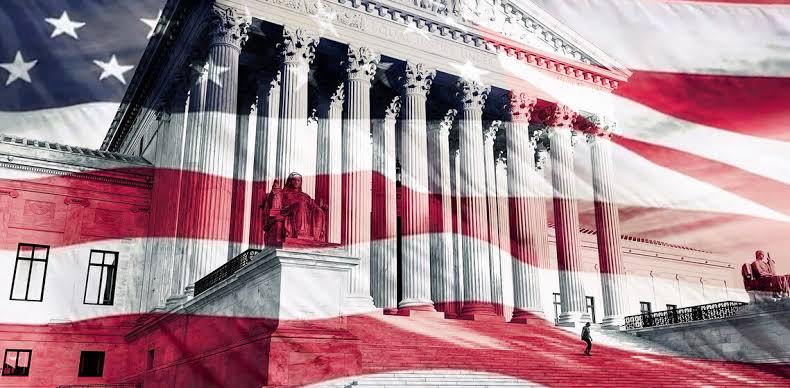
The United States Supreme Court has agreed to hear an appeal by President Donald Trump’s administration seeking to deny asylum to a Nigerian citizen, Izuchukwu Ozurumba, whose case raises questions about whether forced service to an armed separatist group amounts to providing material support for terrorism.

The case centres on Ozurumba’s claim that he was compelled to prepare meals for members of an armed group known as the Unknown Gunmen in Nigeria before escaping and seeking protection in the United States.
According to a Reuters report, US immigration authorities had previously denied him asylum, but a federal appeals court ruled in September 2025 that cooking under coercion did not constitute material support for terrorism in the circumstances of his case.
The Trump administration subsequently challenged that decision, asking the Supreme Court to review how US immigration law applies to people who claim they were forced to assist organisations designated as terrorist groups.
Ozurumba reportedly said he was held at a camp associated with the group for approximately six months before escaping and fleeing Nigeria following threats to his life.
He was deported to Nigeria last year while the legal dispute was still ongoing.
The Supreme Court’s decision to hear the appeal does not mean that the administration has won the case or that Ozurumba has been granted asylum. Rather, it opens the way for the justices to examine the legal question surrounding alleged forced assistance to an armed group.
A final ruling is expected by the end of June, according to the report.
The case could have wider implications for asylum applicants who argue that their involvement with armed organisations resulted from coercion rather than voluntary support.
For Nigerians seeking protection abroad, the outcome could also provide further clarity on how US immigration authorities assess claims involving threats, forced labour and alleged association with armed groups.
The Supreme Court’s eventual decision will determine how the relevant legal provisions apply to the circumstances presented in the case.
Source: Reuters.


BREAKING: US Supreme Court Takes Up Nigerian’s Asylum Case Over Alleged Forced Service to Separatists

APC Names Wike, Ademola Adeleke, Soludo In Tinubu Campaign Council (Full List)

BREAKING: Military Veterans Block Pensions Board in Abuja Over Disputed Payments

Ondo Police Arrest Suspected Interstate Vehicle Thief, Recover Stolen Car in Isua

Dangote Refinery Extends IPO Offer Period by Two Weeks to Attract More African Investors

Nicki Minaj Reveals Nigerian Pastor Inspired Her Advocacy for Christians

How Nigerians Abroad Can Grow Wealth at Home

Manchester City Humiliate Liverpool 3-0 at Anfield to Maintain Perfect Start

Dangote Foundation Targets 7 Million Nigerians With Refinery IPO Share Grant Scheme

2027: Makinde Pledges One-Term Presidency, Promises Inclusive Government

BREAKING: INEC Excludes Ladi Adebutu From Ogun Governorship Candidates’ List

Arsenal Rally to Beat Leeds, Draw Level with Man City

IPO: University Students Hail Dangote Foundation’s Free Share Initiative

Freed NYSC Members Offered South-West Posting After Kidnap Ordeal

Ondo Police Arrest 37-Year-Old Driver Over Death of VIO Official in Akure