Cover
BREAKING: NAFDAC bans alcoholic beverages in small sachets

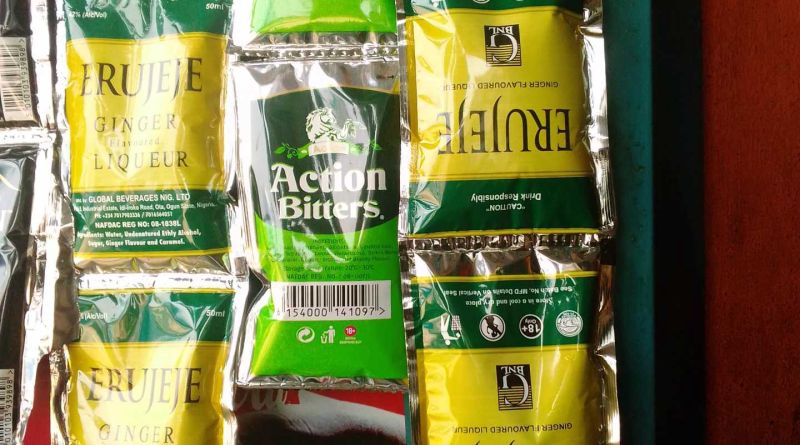
Alcoholic drinks made in sachets have been banned by the National Agency for Food and Drug Administration and Control (NAFDAC).

NAFDAC said the manufacturers of the items were given a five-year window starting in 2008 to cease producing the drinks in sachets and get bottles, that window ended on January 31, 2024.
The director-general of NAFDAC, Prof Mojisola Adeyeye, while addressing newsmen over the development in Abuja on Monday, February 5, said the ban was not a sudden development but a result of a multilateral Committee that agreed that the ban would be in phases whereby production would be reduced by 50 percent by 2020 while outright ban would be on January 31, 2024.
According to her, the agency took the route of wiping out the drinks in such sachets because of the negative effects on underage children.
She said because the drinks come in pocket-friendly sizes, accessible and affordable, children easily fell for the packages only to face the consequences in the future.
She said, “This decision was based on the recommendation of a high-powered committee of the Federal Ministry of Health and NAFDAC on one hand, the Federal Competition and Consumer Protection Commission (FCCPC), and the Industry represented by the Association of Food, Beverages and Tobacco Employers (AFBTE), Distillers and Blenders Association of Nigeria (DIBAN), in December 2018.
“As a commitment to the decision reached at the end of this Committee meeting, producers of alcohol in sachets and small volume agreed to reduce the production by 5 percent with effect from 31st January 2022 while ensuring the product is completely phased out in the country by 31st January 2024”.
“The people who are mostly at risk of the negative effect of consumption of the banned pack sizes of alcoholic beverages are the under-aged and commercial vehicle drivers and riders.
“The World Health Organization has established that children who drink alcohol are more likely to: use drugs, get bad grades, suffer injury or death, engage in risky sexual activity, make bad decisions and have health problems.
“The World Health Organization also stated that harmful consumption of alcohol is linked to more than 200 health conditions including infectious diseases (tuberculosis and HIV/AIDS) and non-communicable conditions (liver cirrhosis and different types of cancer).
“It is also associated with social problems such as alcohol addiction and gender-based violence.
“To curb the menace of abuse of alcohol, the World Health Organization recommended some actions and strategies to Policy-Makers that have shown to be effective and cost-effective, which include: regulating the marketing of alcoholic beverages (in particular to younger people) and regulating and restricting the availability of alcohol.”
She added that in the course of enforcing the ban it was discovered that some manufacturers were still in production of the banned products and still had stacks of both finished products and packaging materials of the products in their possession.
“This situation is of course not acceptable, and the Agency views this as flagrant disobedience to the laws of Nigeria. NAFDAC views this matter seriously and will engage all statutory means, which may include prosecution, to deal with the matter”.
She warned that there is no going back on the decision, “I want to use this medium to ask all holders of alcohol in sachets, PET and Glass bottles, empty sachets, PET bottles, empty Glass bottles, and other packaging materials of these banned products to immediately report to the Investigation and Enforcement Directorate of NAFDAC for hand-over of same to NAFDAC for destruction, to prevent sterner measures including prosecution.
“NAFDAC is resolutely committed to the strict implementation of the regulations and regulatory measures towards safeguarding the health of Nigerians, particularly the vulnerable youth, against the dangers of reckless consumption of alcohol”.



CP Felix Ohagwu Pays Condolence Visit to Family of Late Afenifere Leader, Pa Reuben Fasoranti

Tragedy in Abule Egba as Man Dies While Trying to Rescue Toddler Who Fell into Well

Liverpool Rally From Two Goals Down to Beat Villarreal in Seven-Goal Thriller

Adron Chairman Adetola Emmanuelking Congratulates Anthony Osibodu on Bobajiro Coronation

Adron Homes Inaugurates New AHPORA Executives at Treasure Park & Gardens Phase 2 Extension

BREAKING: Afenifere Leader, Pa Reuben Fasoranti, Is Dead

Yinka Quadri Reveals Why He Abandoned School to Rescue Father’s Business

Ondo Police Arrest Two Suspected Armed Robbers, Recover Locally Made Guns in Akure

Fidelity Bank Champions Digital Adoption, Sustainable Growth for Lagos SMEs

Gbirimojo of Epinmi Kingdom Celebrates Ooni of Ife on Birthday, Reaffirms Traditional Rulers’ Role in Yoruba Unity

LIFANIMA 2026: Lagos Counts Down to a Decade of Animation and Creative Innovation

Liverpool Fight Back to Beat Brentford 2-1, End Hosts’ Unbeaten Run

Igwe Achebe Hails Globacom for 15-Year Support for Ofala Festival

Fidelity Bank celebrates beauty industry excellence at Beauty in the Motherland dinner

Glo-Sponsored 2026 Ofala Festival Begins With Onitsha Youth Carnival