Cover
Zenith Bank Under Public Scrutiny: Mounting Controversies Raise Questions Over Trust and Security

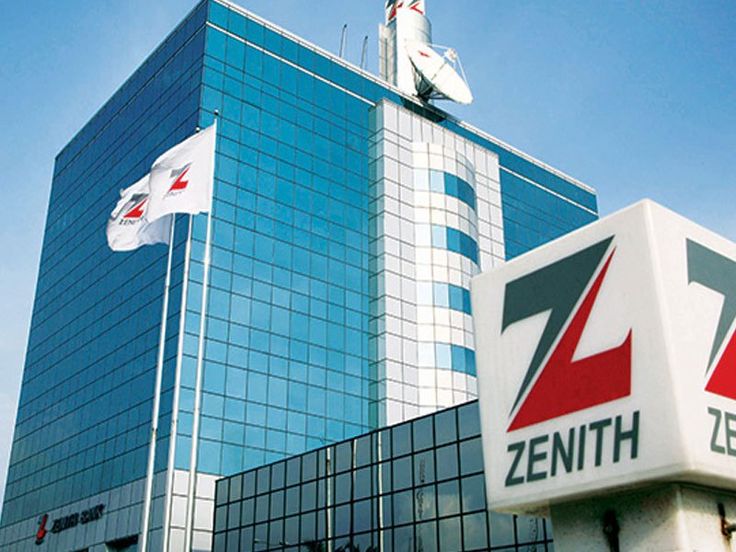
For decades, Zenith Bank Plc has enjoyed a reputation as one of Nigeria’s most successful financial institutions. Built on a foundation of innovation, profitability and strong corporate governance, the bank has long been regarded as a benchmark within the country’s banking sector. However, recent developments suggest that the institution is facing a wave of controversies that could gradually erode one of its most valuable assets, public trust.

Trust is the lifeblood of banking. Customers do not simply deposit money in a bank; they entrust the institution with their life savings, confidential information and financial future. Once that confidence begins to weaken, rebuilding it becomes a difficult and expensive task.
In recent times, Zenith Bank has found itself at the centre of public criticism over issues that extend beyond financial performance. While each controversy may appear isolated, together they paint a picture of a bank grappling with challenges that have the potential to damage its public image if not properly addressed.
One incident that generated widespread outrage was the dismissal of a staff member who allegedly created social media content inside a banking hall. Although private organisations have every right to enforce workplace policies and maintain professional standards, the severity of the disciplinary action divided public opinion.
Many Nigerians questioned whether dismissal was an appropriate response, arguing that a less severe sanction could have achieved the same objective. Across social media platforms, the bank faced criticism from users who described the action as excessive and insensitive, particularly at a time when employment opportunities remain scarce.
Whether the bank acted within its internal regulations is not the only issue. The incident highlighted the growing importance of perception in today’s digital world. Corporate decisions no longer remain within the walls of boardrooms; they are instantly scrutinised by millions of people online, where public sentiment can significantly influence brand reputation.
Even more concerning were reports that the bank experienced a cybersecurity incident involving unauthorised access to customer information, including phone numbers and email addresses. Any incident involving personal data naturally raises serious concerns.
A modern bank’s greatest responsibility is not only protecting customers’ money but also safeguarding their personal information. In an era where cybercriminals are becoming increasingly sophisticated, customers expect financial institutions to deploy world-class security infrastructure capable of preventing unauthorised access.
When reports of a data breach emerge, customers inevitably begin to ask uncomfortable questions. If sensitive information such as phone numbers and email addresses can be exposed, what assurances exist that more critical information remains secure? Even where the financial impact may be limited, the reputational damage can be significant because confidence, once shaken, is difficult to restore.
Interestingly, Zenith Bank itself has consistently acknowledged cybersecurity as one of the biggest operational risks facing financial institutions. In its public risk disclosures, the bank identifies cyber threats and data protection as key areas requiring continuous investment and vigilance. This makes any reported breach particularly troubling because it appears to test the effectiveness of those safeguards.
Viewed individually, each of these incidents may have its own explanation. However, when considered collectively, they contribute to a growing narrative that Zenith Bank is navigating one of the most challenging periods in its recent corporate history.
Perhaps the greatest concern is not any single controversy but the cumulative effect they have on customer confidence. Every new issue reinforces public scepticism, making it increasingly difficult for the institution to control the narrative.
Banking is fundamentally built on credibility. Customers choose financial institutions not merely because of attractive products or impressive profits but because they believe their money, personal information and future are secure. The moment doubt begins to replace confidence, even a financially strong institution can suffer reputational damage that takes years to repair.
Only time will tell whether these controversies represent temporary setbacks or warning signs of deeper institutional challenges. Until then, customers, regulators and industry observers will undoubtedly continue to watch closely.








Tottenham Shock Chelsea at Stamford Bridge as Aston Villa End Man City’s Winning Run

Aston Villa Shock Manchester City as Nicolas Jackson Brace Ends Champions’ Unbeaten Run

CP Felix Ohagwu Engages Civil Society Groups to Rebuild Public Trust in Ondo Police

Family Announces Funeral Plans For Late Afenifere Leader, Fasoranti

2027: Presidency Not About Jumping, But Vision, Experience – Dele Momodu Replies Makinde

Nollywood Mourns Veteran Actor Francis Duru, Dies at 57

How Mobile Banking Makes Everyday Transactions Easier

Globacom Wraps Up 2026 Ofala Festival with Grand Royal Banquet in Onitsha

CP Felix Ohagwu Pays Condolence Visit to Family of Late Afenifere Leader, Pa Reuben Fasoranti

Tragedy in Abule Egba as Man Dies While Trying to Rescue Toddler Who Fell into Well

Liverpool Rally From Two Goals Down to Beat Villarreal in Seven-Goal Thriller

Adron Chairman Adetola Emmanuelking Congratulates Anthony Osibodu on Bobajiro Coronation

Adron Homes Inaugurates New AHPORA Executives at Treasure Park & Gardens Phase 2 Extension
BREAKING: Afenifere Leader, Pa Reuben Fasoranti, Is Dead

Yinka Quadri Reveals Why He Abandoned School to Rescue Father’s Business