Uncategorized
BREAKING: President Tinubu Lifts Ban On Bitcoin, Other Cryptocurrencies

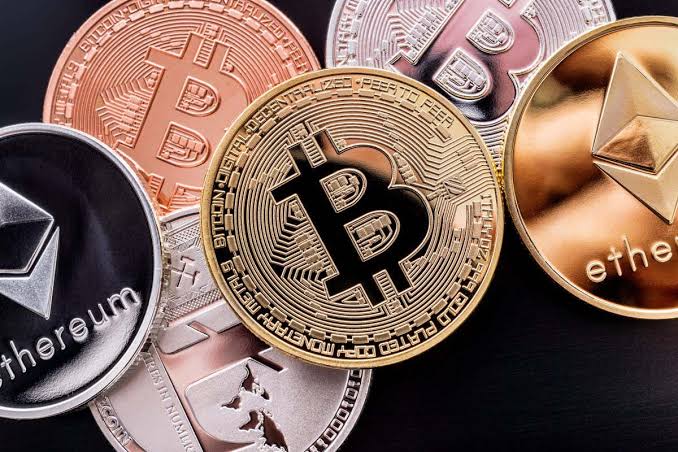
Bitcoin and other cryptocurrencies have long been a topic of debate and regulatory scrutiny worldwide, and Nigeria has been no exception.

In February 2021, the Central Bank of Nigeria (CBN) issued a circular to deposit money banks (DMBs), non-bank financial institutions (NBFIs), and other financial institutions (OFIs) to close accounts of persons or entities involved in cryptocurrency transactions within their systems.
The CBN further warned local financial institutions against dealing in crypto-assets or facilitating payments for crypto exchanges.
The apex bank cited concerns over money laundering, terrorism financing, cybercrime and the volatility of cryptocurrencies as reasons for the ban on Bitcoin
The directive received significant backlash from the Nigerian public and the cryptocurrency community, as many saw it as a hindrance to technological advancement and economic growth.
However, just two years later, the government has taken a surprising turn by introducing taxation on cryptocurrencies.
Here is a timeline of major events in the two-year period that shaped the evolution of Nigeria’s stance on cryptocurrencies.
February 5,2021: CBN directs banks to close accounts of persons or entities involved in cryptocurrency transactions within their systems.
February 9, 2021: CBN launches investigation into financial institutions offering services to cryptocurrency traders.
February 11, 2021: The senate invites the CBN, the Securities and Exchange Commission (SEC) to discuss opportunities and threats of cryptocurrency on Nigeria’s economy and security.
February 18, 2021: The International Monetary Fund (IMF) backs CBN, says cryptocurrencies may be used for illegal activities.
February 22, 2021: The SEC says there is a need to regulate cryptocurrencies.
February 26, 2021: Yemi Osinbajo, Vice President of Nigeria, calls for a regulatory framework for cryptocurrencies rather than an outright ban.
March 21, 2021: The CBN clarifies its position on the ban and states that individuals are not prohibited from buying and trading crypto, just not through any Nigerian bank or fintech.
April 15, 2021: SEC says discussion is ongoing with the CBN over the regulation of cryptocurrencies.
April 26, 2021: The Economic and Financial Crimes Commission (EFCC) warns Nigerians to be cautious before investing in Bitcoin.
July 22, 2021: The CBN announces plans to launch the “ eNaira”—a central bank digital currency (CBDC) — which is quite different from Bitcoin and other cryptocurrencies.
October 25,2021: Nigeria becomes first African nation to launch a digital currency — the “eNaira”.
April 7, 2022: CBN hits six banks with a N1.3 billion fine over alleged non-compliance with its regulation on accounts of cryptocurrency traders.
May 15, 2022: The SEC recognises digital assets as securities and issues regulations on exchange and custody of cryptocurrencies in the country. The federal government surprised many by announcing its decision to tax cryptocurrencies.
The government said it recognised the growing adoption and economic significance of digital assets and aimed to harness their potential for revenue generation.
By doing so, Nigeria joins the league of jurisdictions currently taxing digital assets, including the United Kingdom, the United States of America, Australia, India, Kenya and South Africa.
December 2, 2022: Zainab Ahmed, minister of finance, budget and national planning, says there is a provision to tax cryptocurrency and other digital assets in the latest finance bill.
May 28, 2023: President Muhammadu Buhari signs the 2023 finance bill into law. The law introduces a 10 percent taxation of gains on the disposal of digital assets including cryptocurrency. The law is effective as of May 1, 2023.

Dangote Petroleum Refinery Set for Landmark IPO Following SEC Approval

Tragedy in Ondo as Three Siblings Die at Owena Farm, CP Orders Thorough Investigation

VIDEO: ‘Gbewudani’ Row — Drama As Arise TV Ends Interview After Wike’s Aide Rejects Rufai Oseni’s Questions

Yobe APC Chairman Tells Women To Divorce Husbands Who Stop Them From Voting APC

FG Commends RCCG For $265,854 Donation To Evacuate 500 Nigerians From South Africa

Burna Boy’s Mum Opens Up On Managing His ‘Unfiltered’ Personality

Osun Police Command Break Silence on Viral ‘Drone Chase’, Reveal Footage Was From Yoruba Movie
Dangote Says FG’s Economic Reforms Are Driving Nigeria’s Economic Recovery, Restoring Investors’ Confidence

BREAKING: Uber Shuts Down Operations in Nigeria After 12 Years

Nigeria Police Force Disowns Fake September 18 Training Date for Police Constable Recruits

Hustle Gone Wrong: Nigerian-British Taxi Driver Jailed After Falling Asleep at Wheel, Killing Man in UK Crash

68 year old British Grandmother Seeks Divorce After Nigerian Husband Allegedly Disappears Following Move to UK

CP Felix Ohagwu Seeks Olugbo’s Support, Receives Royal Blessing in Fight Against Crime

Goals, Drama and History: The Biggest Talking Points from Premier League Matchweek 2

The ‘Dance of Shame’ and the Dangerous Entertainment of Suspected Criminals