Cover
Tinubu: Nigeria Has Entered New Era Of Prosperity After Economic Reforms

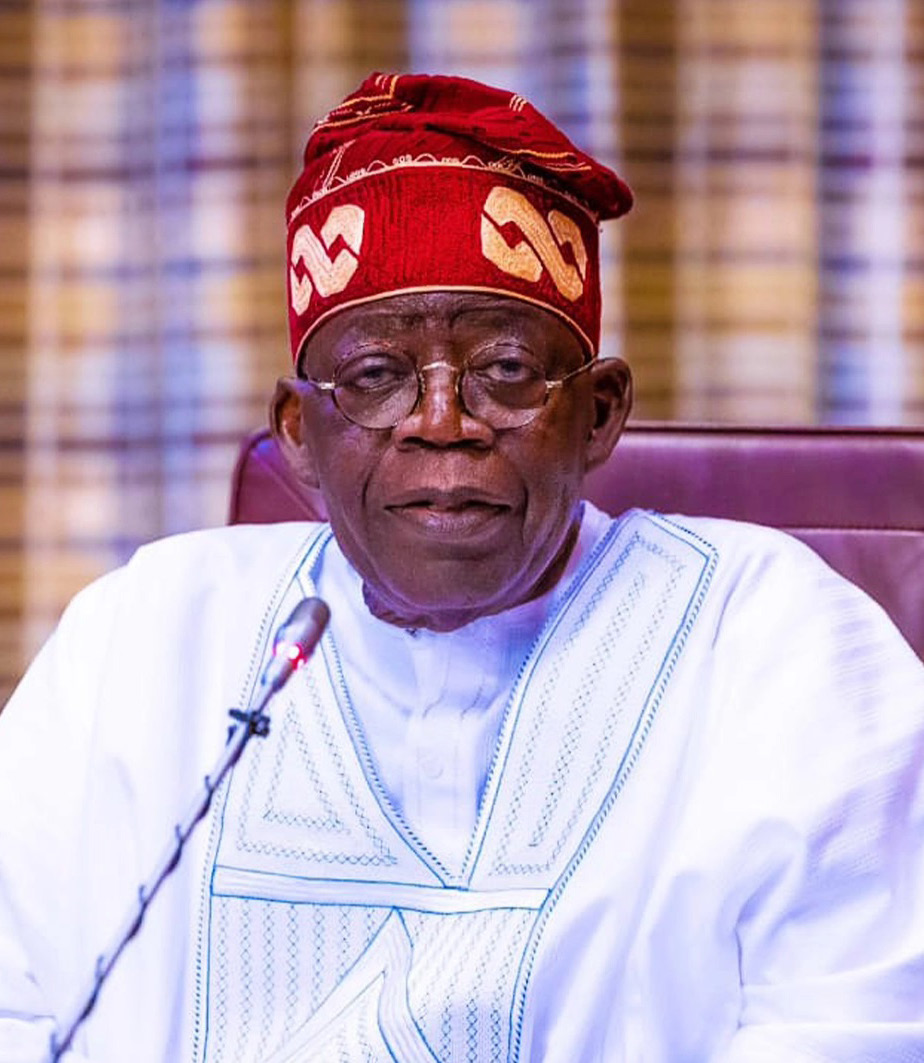
President Bola Ahmed Tinubu has declared that Nigeria has moved beyond the emergency phase of economic reforms and entered what he described as a new “age of prosperity.”

Tinubu made the declaration on Thursday, October 1, 2026, in his Independence Day national address to Nigerians as the country marked its 66th anniversary.
The President said reducing the cost of living remains the central focus of his administration, stressing that government would pursue the objective by lowering the cost of producing and transporting goods and services.
According to him, the government’s economic reforms were necessary to address deep-rooted distortions in the Nigerian economy, despite the hardship experienced by citizens during the adjustment period.
Tinubu said the reforms had begun to yield results, citing economic growth of more than four per cent in 2026, reduced oil theft, lower inflation from its peak, rebuilt foreign reserves and improved stability in the foreign exchange market.
He also disclosed that Nigeria recorded more than $6 billion in non-oil export revenue in 2025, describing the figure as the highest in the country’s history.
The President said the next phase of his administration would focus on translating economic gains into improved living conditions for Nigerians.
He outlined plans to expand mechanised irrigation and dry-season farming, improve access to seeds and fertiliser, increase agricultural mechanisation and invest in storage and transportation infrastructure.
He also said the government was building and completing roads, railways and ports to connect farms and factories with markets and reduce the cost of moving goods across the country.
On employment, Tinubu said jobs, enterprise and industrial growth would remain at the heart of government policy, particularly as Nigeria continues to experience rapid growth in its youthful population.
He promised increased investment in digital connectivity, skills development and infrastructure, while noting that Nigeria’s gas resources would be deployed to support new industries and revive existing factories.
The President also acknowledged that millions of Nigerians were still struggling with food, school fees, medical bills and transportation costs.
To address this, he said his administration would strengthen direct support for vulnerable households and improve the National Social Register to ensure that assistance reaches those who genuinely need it.
He further highlighted the Nigerian Education Loan Fund and CREDICORP as part of measures aimed at expanding access to education and consumer credit.
Tinubu said the government would continue working with state and local governments to strengthen primary healthcare, basic education and other essential public services.
While acknowledging that Nigeria’s poverty and economic challenges accumulated over decades could not be eliminated within four years, he maintained that sustained economic growth and the creation of millions of productive opportunities could change the country’s trajectory.
“The age of reform has done its work. Now begins the age of prosperity,” the President declared.
He urged Nigerians to remain united and disciplined, expressing confidence that the sacrifices made during the reform period would eventually translate into a more prosperous country.
Tinubu concluded his address by calling on Nigerians to move forward with renewed hope, declaring that Nigeria had “corrected its course” and urging citizens to embrace the future.
“Happy Independence Day, my fellow Nigerians. God bless you all, and God bless the Federal Republic of Nigeria,” he said.



Rick Ross Arrested Over Alleged Assault On Woman In Miami

(VIDEO) Drama As Lagos ADC Governorship Candidate, Rhodes-Vivour Struggles To Answer Yoruba Question At The Platform

AIG Ajani Omolabi Bows Out After 35 Years of Service, Receives Glowing Encomiums

Tinubu: Nigeria Has Entered New Era Of Prosperity After Economic Reforms

Dangote Refinery Records 105% Capacity Utilisation, Boosts Nigeria’s Fuel Supply and Exports

2027: Wike Vows To Resign If Tinubu Loses FCT, Rivers

Baba Ijesha Opens Up On Relationship With Mr Latin After Prison Release

Wike’s Son Denies $2.1m Fraud Allegation, Court Orders Production of US Passport

Rufai Oseni And His Brazen Style Of Journalism

Nigerian Navy Recruitment 2026: Applicants Get Requirements, See Application Date, Guidelines

Fidelity Bank Strengthens Food Security Drive with Distribution of 2,500 Food Packs in Edo

2027: INEC Has No Preferred Candidate, Chairman Amupitan Declares

Ondo Police Arrest Two Suspected Eiye Members, Recover Live Cartridges, Axe

Appeal Court Clears Fidelity Bank in Fundamental Rights Case

Court Halts Reinstatement of Retired Senior Police Officers