Cover
Emir Sanusi Links Boko Haram, Banditry to Divisive Political Rhetoric

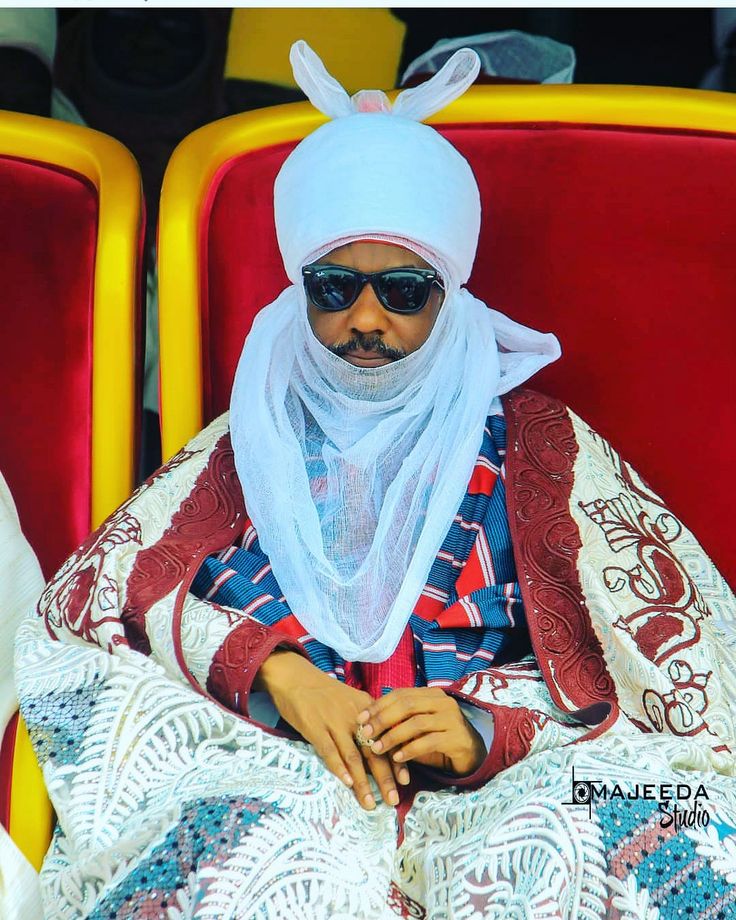
The Emir of Kano, Muhammadu Sanusi II, has identified ethnic, religious and regional divisions in Nigeria’s political and public discourse as factors that, in his view, helped create an environment for the emergence and persistence of violent groups, including Boko Haram and banditry.

Sanusi made the remarks in Abuja on Wednesday at the launch of a book documenting the tenure of retired Lieutenant General Tukur Yusuf Buratai as Chief of Army Staff.
The former Governor of the Central Bank of Nigeria said the country’s security crisis should not be viewed only through the lens of terrorism, banditry and violent attacks, arguing that deeper social and political factors also require attention.
According to him, the repeated categorisation of Nigerians as Northerners and Southerners, Muslims and Christians, or along ethnic lines has contributed to divisions that can be exploited by violent movements.
He said the country must return to a stronger sense of national identity and focus on issues such as education, healthcare, economic development and institutional stability.
Sanusi also called for a clearer separation between political responsibilities and religious leadership, arguing that politicians should concentrate on governance and development while religious leaders focus on their religious roles.
He warned that when religious and political interests become excessively intertwined, it becomes more difficult for citizens and institutions to hold political leaders accountable.
The Emir further stressed the need for Nigeria’s security and economic institutions to adopt long-term strategies that go beyond electoral cycles.
He noted that institutions such as the military, police and Central Bank need to plan over decades rather than operate within the four-year framework associated with elected political office holders.
Sanusi’s comments come amid continuing security challenges involving terrorism, banditry, kidnapping and other forms of violent crime across parts of the country.
Official and international assessments have similarly documented the evolution of Boko Haram and its factions, including the Islamic State West Africa Province (ISWAP), while noting the broader regional dimensions of violent extremism in the Lake Chad and Sahel regions.
The Emir’s remarks therefore placed the security debate within a broader discussion of governance, social cohesion, institutional continuity and the conditions that can allow violent movements to emerge and persist.


Emir Sanusi Links Boko Haram, Banditry to Divisive Political Rhetoric

Ransom Collection Turns Sour as Ondo Police Rescue Two Kidnap Victims, Arrest Three Suspects in Isua-Akoko

Dangote Refinery Opens Landmark IPO today to the Investing Public

Subscribe to Dangote Refinery IPO in Under Two Minutes Through Fidelity Bank

Beyond the Prophecies: The Generous Side of Primate Ayodele

Ondo Police Arrest Suspected Methanol Producer, 14 Others Over Araromi-Obu Drink-Related Deaths

Manchester City Edge United in Controversial Derby Victory

CP Felix Ohagwu Orders Investigation as Police Recover Pistol from Welder in Uso

Tinubu Mourns Former PDP Chairman Bamanga Tukur at 90

Fidelity Bank Rallies Support for Northern Businesses at Kano SME Forum

SEYI TINUBU: THE GOOD SON OF THE NATION

Nigeria Police Disowns Fake Release on Training of 50,000 Newly Recruited Constables

2027 Elections: Peter Obi Unveils Plan to Ensure Votes Count

Dangote Refinery IPO: Turning Everyday Fuel Buyers into Refinery Shareholders

Dangote Refinery IPO Gets Global Backing as Leaders Push Wider African Ownership