Connect with us

Cover

NNPC Raises Petrol Price to ₦887 per Liter Amid Economic and Industry Uncertainties

Published

on

 
Agnes Ekebuike
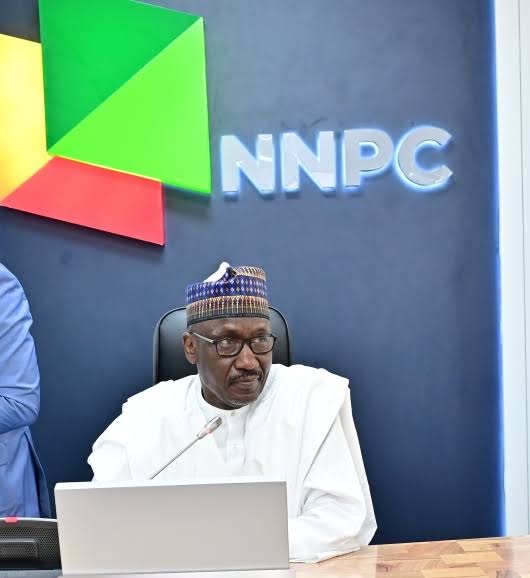
 Newslens NG reports that The Nigerian National Petroleum Corporation (NNPC) has announced an increase in petrol prices to ₦887 per liter, a development that has significant implications for the country’s economy and the daily lives of Nigerians.
This Nigerian Newspaper reports that Chairman of the Energy Transition Group of the Nigerian Gas Association and CEO of Cabtree, Olabode Sowunmi, provided a detailed analysis of the situation. Sowunmi emphasised that the pricing of crude oil, as a globally traded commodity, is determined by a range of economic fundamentals. “Crude oil is a commodity with uniform pricing globally, which means its price will generally fall within a certain range around the world,” he explained. He further noted that the costs associated with refining are similarly standardized, leading to relatively consistent petrol prices globally.
However, Sowunmi highlighted the impact of Nigeria’s fluctuating currency on petrol prices, pointing out that “the day the naira falls against the dollar, the price of petrol changes accordingly.” He criticised the government’s historical lack of political will to adjust petrol prices in line with these fluctuations, which often led to the implementation of subsidies.
Sowunmi also underscored the role of local refineries, particularly the Dangote Refinery, in potentially stabilizing prices. “The advantage of local refineries like Dangote’s lies in their ability to purchase crude oil in naira, avoiding the pressures of procuring dollars,” he said. This, in turn, obligates the refinery to price its products in naira, which could offer some insulation from the volatility of international currency markets.
Despite these potential benefits, Sowunmi expressed uncertainty about whether the Dangote Refinery’s production would fully meet Nigeria’s demand for refined products. He pointed out that until Dangote’s operations are fully monitored, particularly the tracking of every truck leaving the refinery, the actual daily consumption of petroleum products in Nigeria remains unclear.
Sowunmi also addressed the economic realities facing the Dangote Refinery, noting that it is a business that must remain profitable. “Dangote is a business person with shareholders; he’s not going to run the refinery at a loss. They will price their products competitively and in a way that ensures profitability,” he said. This could mean that prices may fluctuate based on market conditions, including the parity of the naira to the dollar.
Moreover, Sowunmi highlighted the issue of potential monopoly, citing the Federal Consumer Protection Act, which defines any business with over 40% market share as a monopoly. He suggested that while monopolies are typically frowned upon in free markets due to historical reasons, the situation with Dangote could require careful regulation to prevent market distortions.
The ongoing debate over the introduction of subsidies was also touched upon. Sowunmi acknowledged that whether to reintroduce subsidies is a matter of policy and ultimately a decision for the government. However, he pointed out that any gap between the cost of petrol at the pump and the true cost of production must be accounted for, hinting that without subsidies, such gaps would need to be addressed by other means.
As Nigerians brace for the impact of the new petrol prices, the discussion surrounding the sustainability of current economic policies, the role of local refineries, and the possibility of government intervention remains crucial in determining the future of the country’s energy landscape.
Advertisement
Click to comment

Leave a Reply

Your email address will not be published. Required fields are marked *

Cover1 day ago

Insecurity: Governor Dauda Lawal Commends Troops for Recovering Ammunitions, Rustled Cattle

Cover3 days ago

Governor Dauda Lawal Approves Payment of Allowance to NYSC Members Serving in Zamfara

business3 days ago

Dangote Refinery Inspires Future Engineers as FUTO Students Experience Africa’s Largest Industrial Complex

Cover1 week ago

Governor Dauda Lawal Reshuffles Cabinet, Harps on Strengthening Governance Efficiency

Cover1 week ago

FG Commissions Automotive Training Centre in Gusau, Trains 100 Youths in Mechatronics

Banking/Finance1 week ago

Wema Bank’s 5 for 5 Rewards Delivers ₦17.96 Million to 273 Customers in One Month

Cover2 weeks ago

Governor Dauda Lawal names executive secretaries for two agencies, appoints ZACADEP coordinator

business2 weeks ago

Dangote Named Africa’s Most Admired Brand for 8th Consecutive Year  

Cover2 weeks ago

Blood on the Battlefield, Silence in Aso Rock: Nigerians Demand Action from Tinubu

Cover2 weeks ago

Lagos Tops 2025 State Performance Rankings, Widens Gap with Rivals

Cover3 weeks ago

Senator Adeola Olamilekan (Yayi): A Tested Hand for the Future of Ogun State

Cover3 weeks ago

Rescue Mission @ 3: How Governor Dauda Lawal Dragged Zamfara Back from the Abyss

Banking/Finance3 weeks ago

FidBank UK Broadens Investment Pathways for Nigerians into the UK Market

Cover3 weeks ago

Adron Group Chairman Hails Dapo Abiodun’s Leadership at 66

Cover4 weeks ago

EID EL-ADHA 2026: Governor Dauda Lawal Urges Increased Prayers for Peace, Hails Return of Displaced Communities