Cover
Former Rivers Sole Administrator, Ibas Ete Rejects Assembly Probe of ₦254B Spending Under Emergency Rule, Deems It ‘Fool’s Errand’

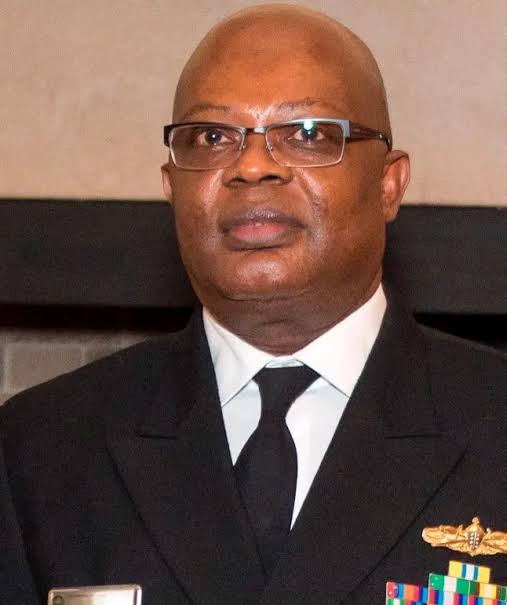
In a rapidly escalating governance standoff, former Rivers State Administrator Vice Admiral Ibok-Ete Ibas (retd.) has pushed back against the Rivers State House of Assembly’s efforts to investigate how approximately ₦254.37 billion in federal allocations was expended during his six-month tenure under emergency rule. The Assembly, led by Speaker Martin Amaewhule, at its first sitting after the suspension was lifted, resolved to audit spending from the state’s consolidated revenue fund, including contracts awarded and other major expenditures.

But in response, Ibas, through his Senior Special Adviser on Media, Hector Igbikiowubu, insisted that the Assembly lacks constitutional authority to conduct such a probe. He argues that since he was appointed by President Bola Tinubu and supervised federally any attempt by the State Assembly to audit his administration would effectively be an attempt to probe the President and the National Assembly. According to Ibas’s camp, this makes the planned investigation not only inappropriate but also legally untenable.
Describing the resolution as a “fool’s errand,” Ibas dismissed the move, asserting that the lawmakers did not have the power to question his stewardship. Critics, however, say this posture undermines critical democratic principles. They point out that Rivers State received over ₦250 billion in public funds within six months, and yet there has been no publication of the 2025 Budget Implementation Report a statutory document meant to provide a detailed account of revenues, expenditures, and development progress.
Civil society groups have joined voices in demanding full transparency and accountability. They contend that the people of Rivers State deserve clarity: How were contracts awarded? Were due processes observed? What was the status of state-wide projects, and why are many reportedly stalled despite the large inflows?
As this confrontation unfolds, it raises broader questions about the balance of power between state legislative oversight and emergency appointments, the legal limits of accountability, and the expectations of citizens to have clear accounts of public spending even under atypical governance arrangements.


Temi Nkem Emerges Winner of BBNaija Season 11

Ondo Police Arrest Two Suspected Armed Robbers, Recover Revolver in Akure

₦950m Ransom Demand: Families Panic as 19 Prospective NYSC Members Remain in Captivity

Rick Ross Arrested Over Alleged Assault On Woman In Miami

(VIDEO) Drama As Lagos ADC Governorship Candidate, Rhodes-Vivour Struggles To Answer Yoruba Question At The Platform

AIG Ajani Omolabi Bows Out After 35 Years of Service, Receives Glowing Encomiums

Tinubu: Nigeria Has Entered New Era Of Prosperity After Economic Reforms

Dangote Refinery Records 105% Capacity Utilisation, Boosts Nigeria’s Fuel Supply and Exports

2027: Wike Vows To Resign If Tinubu Loses FCT, Rivers

Baba Ijesha Opens Up On Relationship With Mr Latin After Prison Release

Wike’s Son Denies $2.1m Fraud Allegation, Court Orders Production of US Passport

Rufai Oseni And His Brazen Style Of Journalism

Nigerian Navy Recruitment 2026: Applicants Get Requirements, See Application Date, Guidelines

Fidelity Bank Strengthens Food Security Drive with Distribution of 2,500 Food Packs in Edo

2027: INEC Has No Preferred Candidate, Chairman Amupitan Declares